

Industry perspective
Build resilience by connecting planning with physical execution.
Manufacturing performance is shaped by thousands of connected decisions across demand, suppliers, materials, production, labor, warehouses, quality, assets, customers, and finance. When those decisions rely on delayed or fragmented information, the business carries more inventory, reacts later, and struggles to understand true cost.
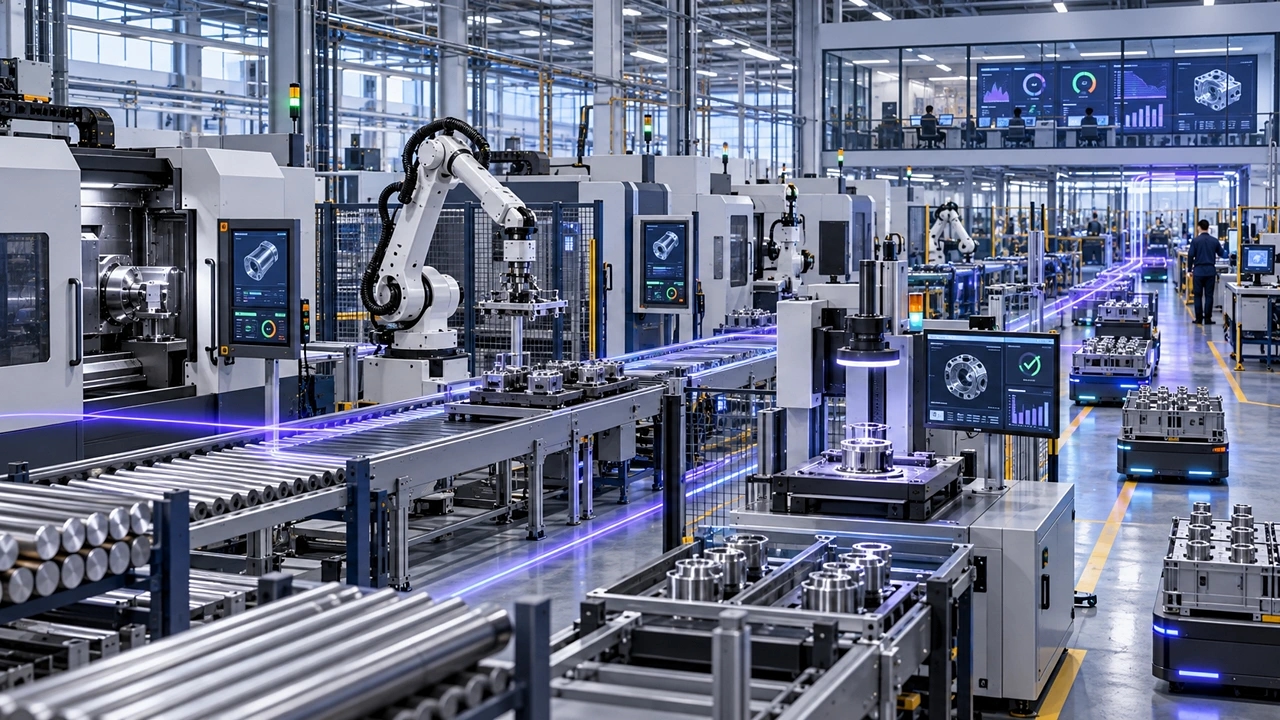
Responsive production planning
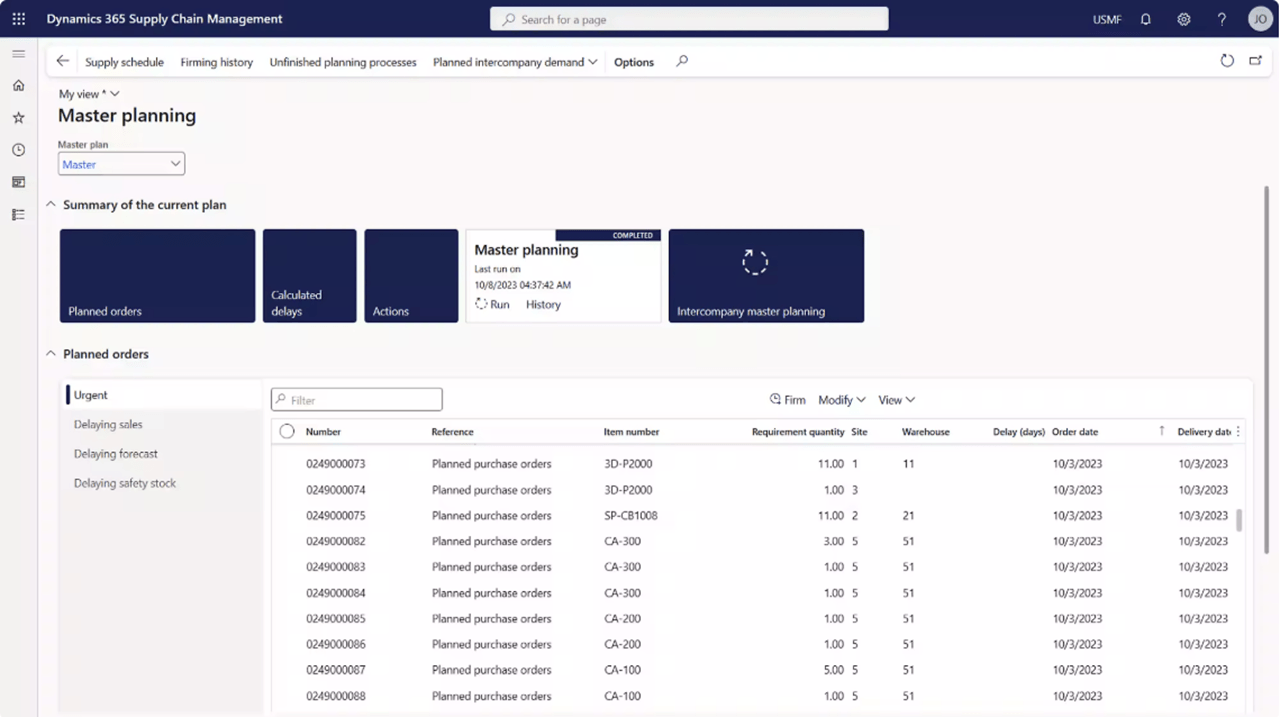
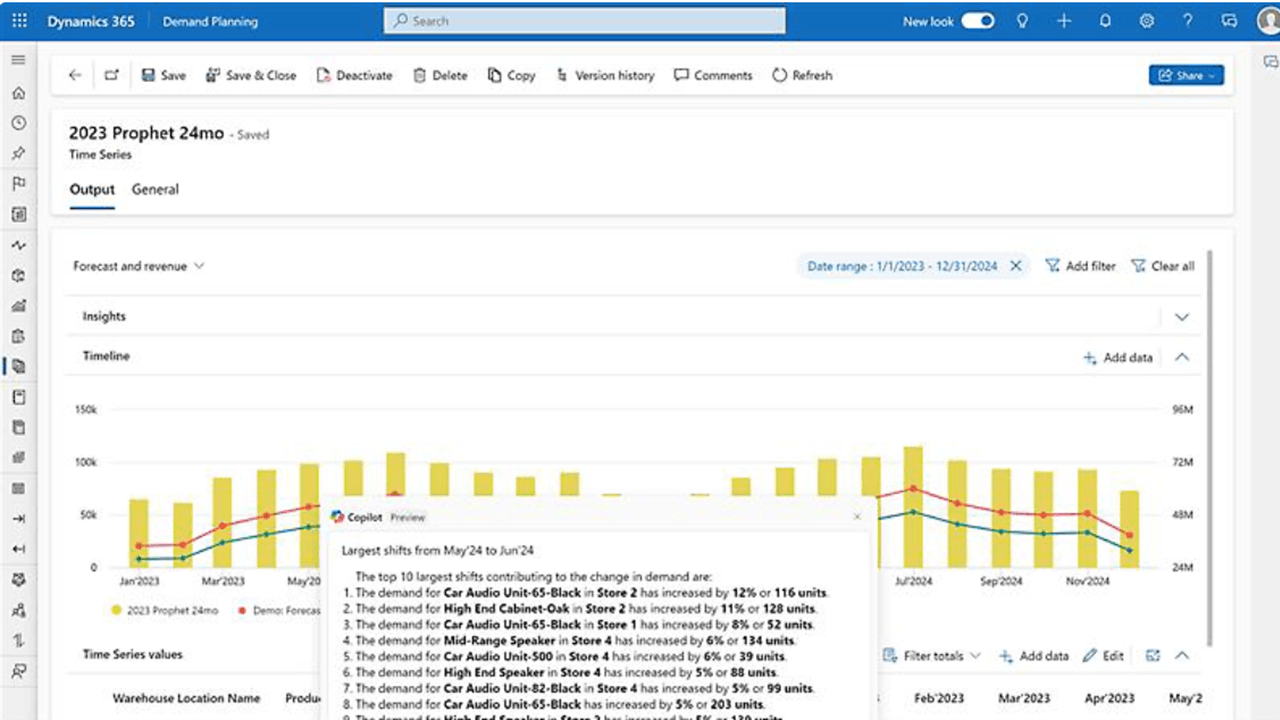
Dynamics 365 Supply Chain Management connects demand, capacity, materials, and production schedules. Copilot helps planners interpret constraints and evaluate practical responses faster.
See shortages and capacity constraints in context
Adjust schedules and evaluate alternative supply
Understand the service, cost, and production impact
Related Products:

Predictive asset and service operations
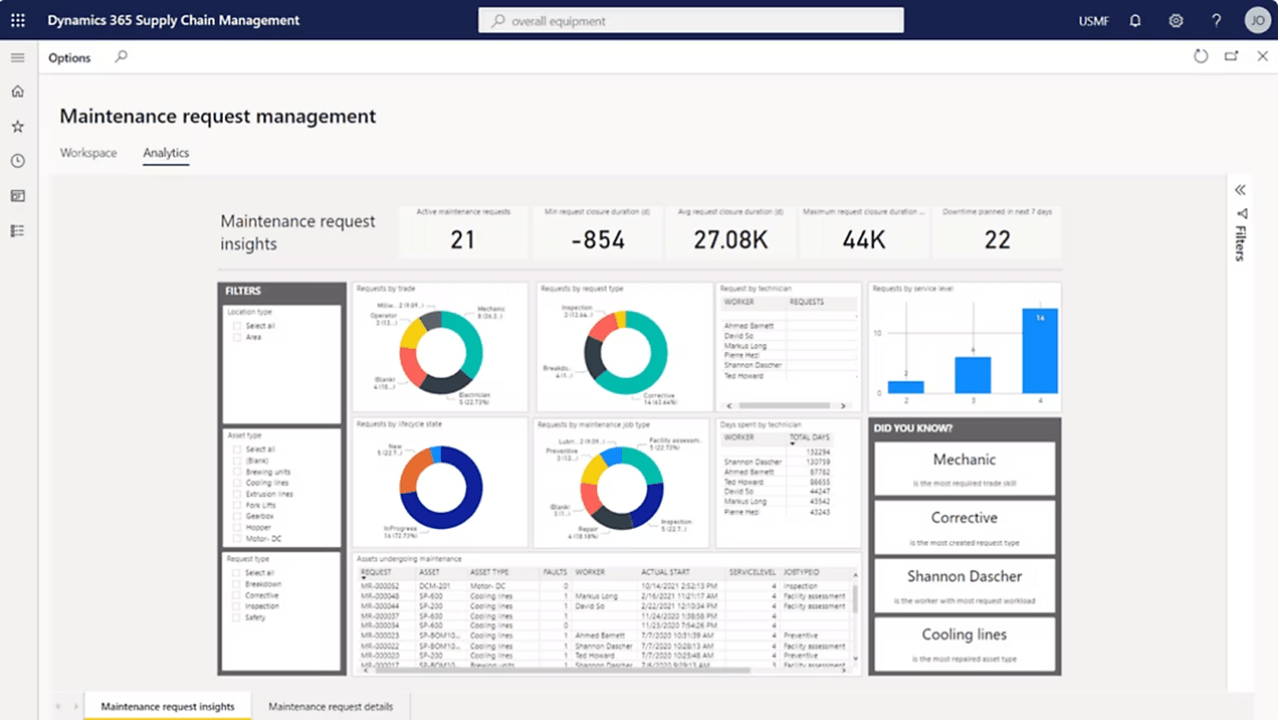
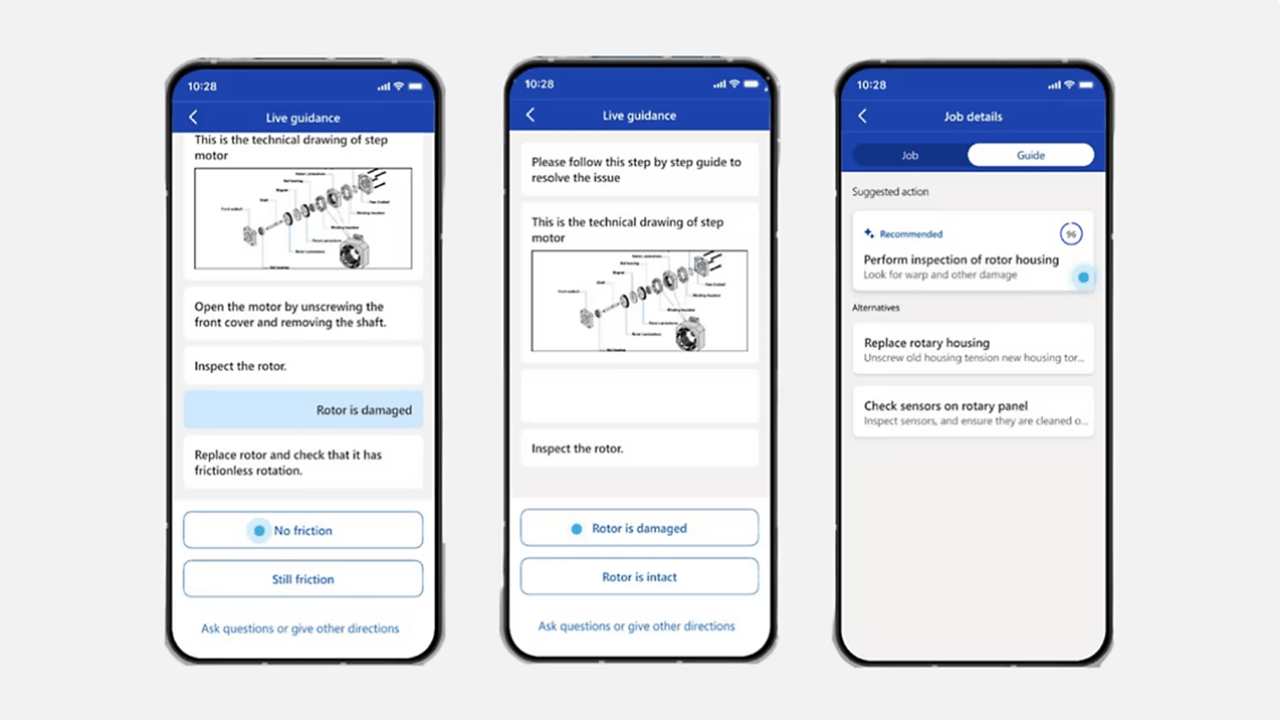
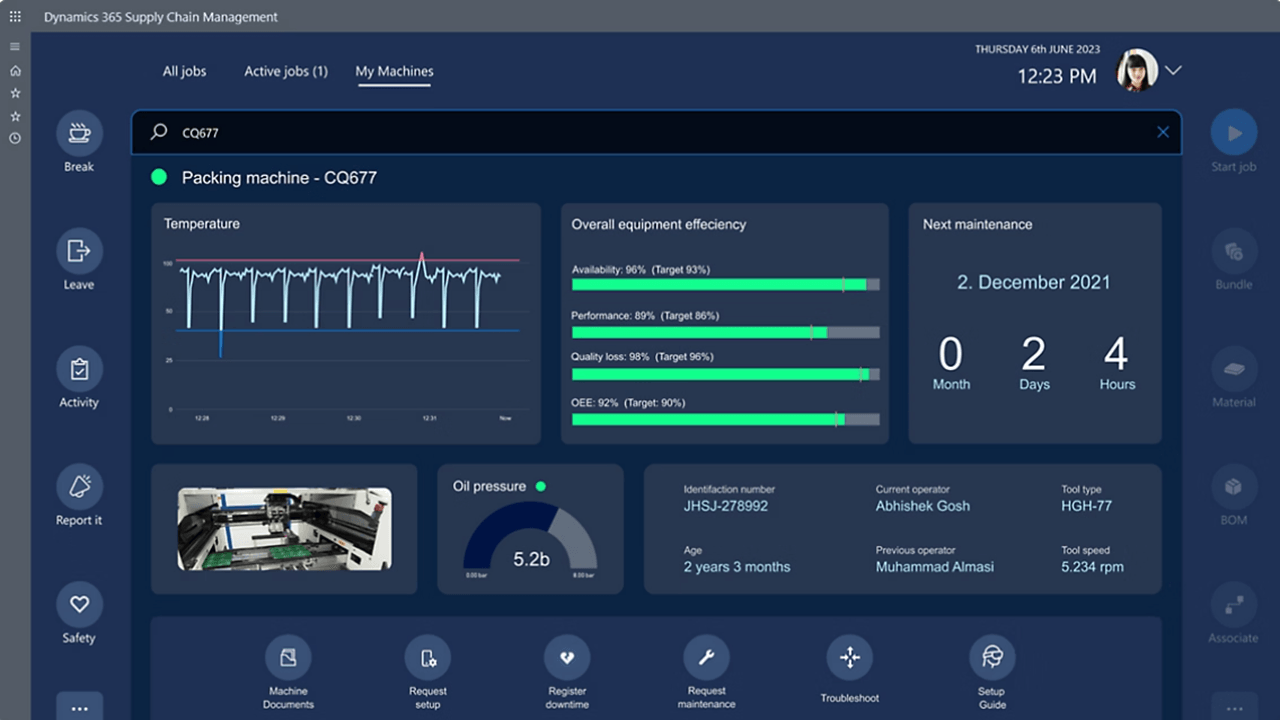
Connected asset data and AI help maintenance teams move from reactive work toward earlier intervention—without losing operational context.
Detect patterns that may indicate emerging asset issues
Prioritize maintenance using production and service impact
Give technicians concise work summaries and relevant history
End-to-end quality and traceability
Connected supplier, batch, production, inspection, and customer records create a reliable quality history. Copilot helps investigators summarize patterns and focus on likely root causes.
Trace nonconformance history and affected inventory
Identify recurring supplier, material, or process patterns
Coordinate investigations and corrective actions
Related Products:




How D6 Global helps
Expertise across the full transformation journey.
D6 Global helps manufacturers connect planning, production, assets, quality, and finance on one adaptable Microsoft platform — from initial transformation through continuous improvement.
Talk to an expert
Transformation roadmap
Design around the real plant, product, and material flow.
Manufacturing transformation must reflect physical operations, data discipline, volume, timing, and control. A generic ERP template is not enough, but unnecessary local variation should still be challenged.
[01]
Map the operating reality
Understand products, sites, warehouses, flows, policies, constraints, volumes, integrations, controls, and service outcomes.
[02]
Create the digital model
Design planning and execution, prepare master data, define costing and traceability, and connect critical systems.
[03]
Prove end-to-end operations
Test realistic volumes and exceptions, validate inventory and costing, train frontline roles, and rehearse cutover.
[04]
Tune and improve
Stabilize operations, refine planning parameters, improve quality and reliability, and advance analytics and automation.


Ready to transform your business?
We'd love to hear from you - send us a message and we'll be in touch soon.
General contact
Partnerships