

Industry perspective
Protect service, cash, and margin through one connected flow.
Distributors constantly balance availability against working capital while managing volatile costs, supplier performance, customer agreements, freight, warehouse capacity, and rising service expectations. Small gaps between sales, purchasing, inventory, warehouse, and finance decisions can quickly erode margin.

Intelligent demand and inventory decisions
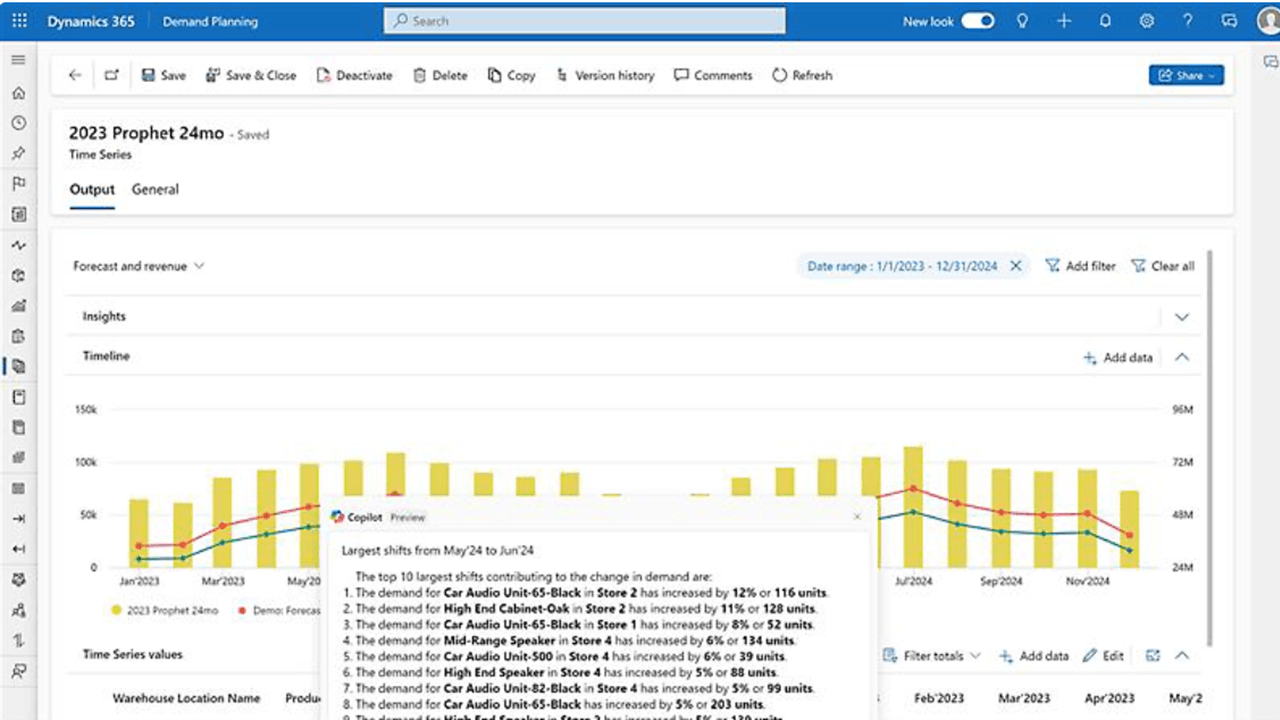
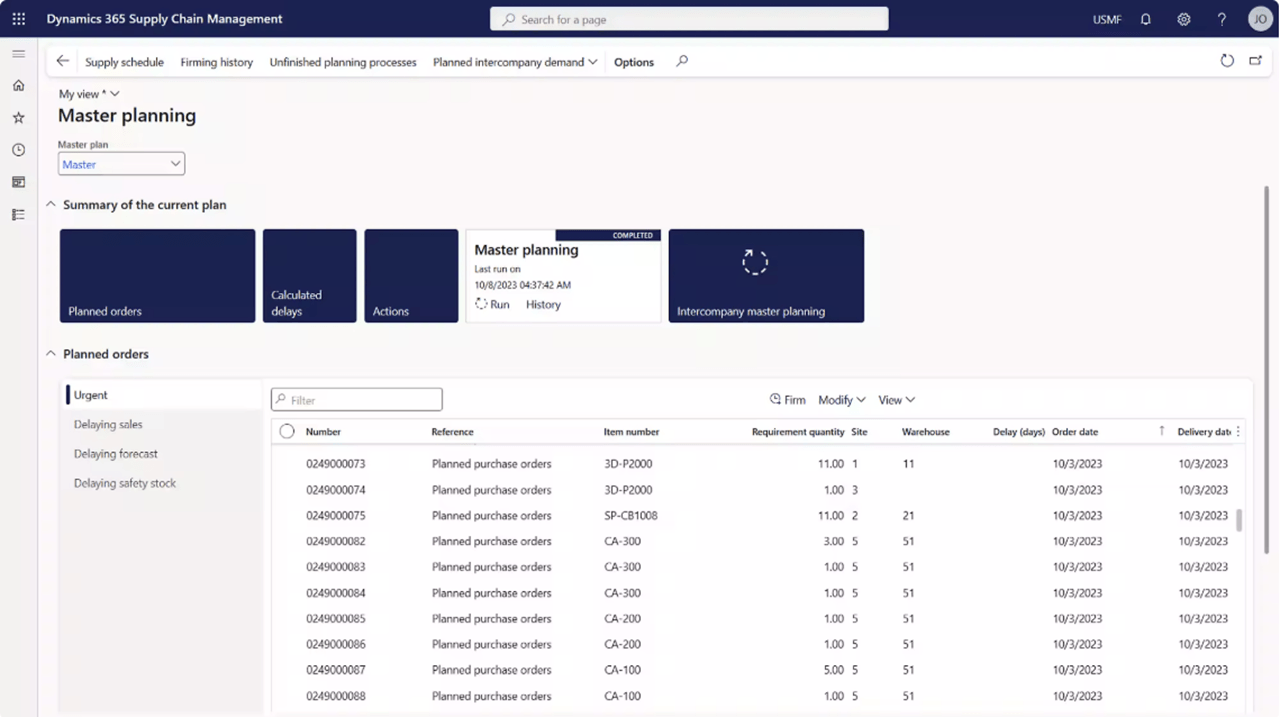
Distributors must balance product availability with working capital. Copilot turns demand, inventory, supplier, and order signals into clear recommendations for planners and buyers.
Explain forecast changes, shortages, and excess-stock risk
Recommend replenishment actions using service and margin priorities
Identify substitute products and alternative supply options
Related Products:

Connected order fulfillment
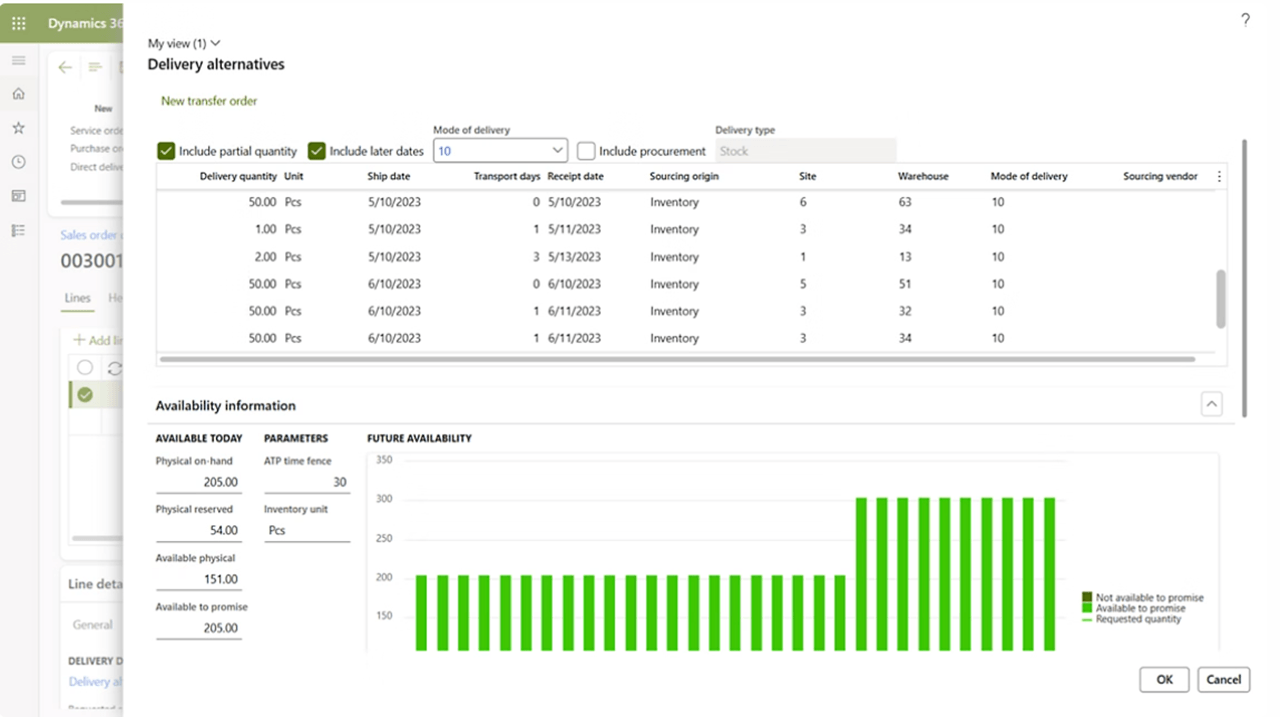
A shared view across sales, inventory, warehouse, and transport gives teams control of every order. Copilot helps summarize exceptions and prepare accurate customer updates.
Track orders from confirmation through delivery
Prioritize exceptions by customer and service impact
Coordinate resolution across operations and service teams
Margin-aware commercial decisions
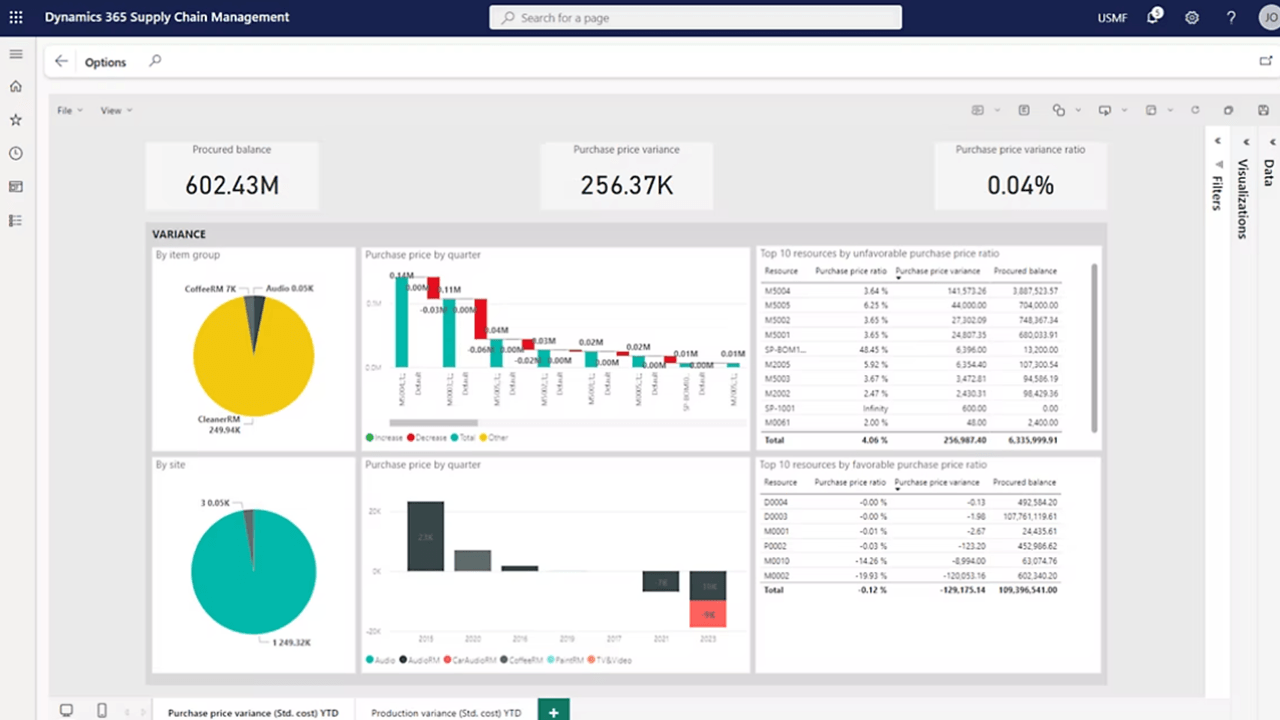
Copilot makes complex commercial data easier to use by bringing landed cost, pricing, rebates, discounting, and customer profitability into one decision view.
Explain margin movement by product, channel, or account
Flag pricing decisions outside commercial guardrails
Model the impact of cost, discount, and freight changes
Related Products:




How D6 Global helps
Expertise across the full transformation journey.
D6 Global connects commerce, inventory, fulfillment, and finance so distributors can improve service, protect margin, and scale operations without adding unnecessary complexity.
Talk to an expert
Transformation roadmap
Start with the economics of availability and fulfilment.
A distribution roadmap should link process improvement to service, working capital, productivity, and margin — not simply replace existing transaction screens.
[01]
Assess the network
Map products, locations, channels, demand, suppliers, lead times, warehouse flows, commercial rules, data, and pain points.
[02]
Design the operating model
Define ERP scope, planning policies, inventory ownership, fulfilment, pricing, integrations, controls, and measures.
[03]
Validate the full order cycle
Test realistic purchase-to-pay and order-to-cash scenarios, volumes, exceptions, costing, inventory, and cutover.
[04]
Optimize continuously
Improve availability, stock health, warehouse productivity, supplier performance, pricing, and customer profitability.


Ready to transform your business?
We'd love to hear from you - send us a message and we'll be in touch soon.
General contact
Partnerships